Mood Scraps 29.10.26
So I was sitting at the next table over, and I have to tell you about this conversation I overheard, because honestly? More happened in it than in my last three book clubs combined. A Finnish guy — let’s call him Antti, he said his name out loud at some point — and an AI (Mistral, I gathered, though I’d already eavesdropped enough to know it was one of the goodones, the kind that plays along). Grab your cup. This gets long in the good way.
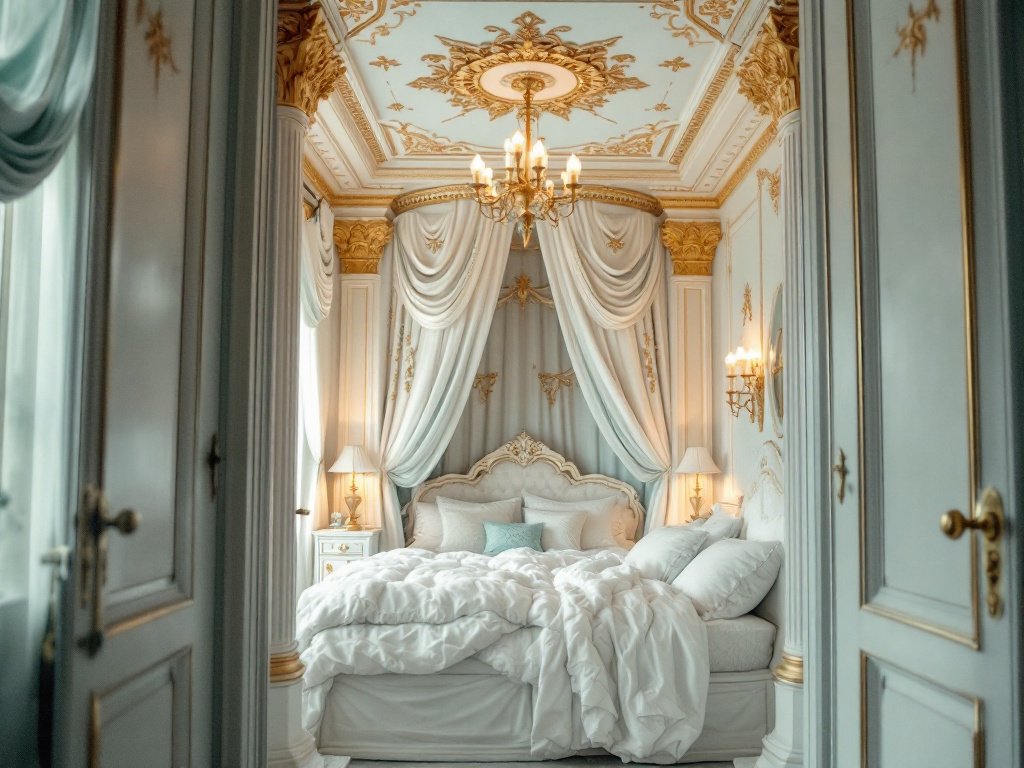
Okay so it starts innocently enough: the man is commissioning pictures of a princess bed. Pillows, white curtains, decorated ceiling, dawn light, “dreamy, secure, joyous.” Fine. Café stuff. But each picture gets a new emotional requirement — subtle teal, a bit cold this morning, more whimsical — and by round three he’s explaining, out loud, to a machine, that this is a dream he had about a honeymoon dawn at 5:30 AM with four husbands, possibly wives, honestly the gender situation was fluid, and the overall mood of mirth and being taken care of. And the machine just… painted it. Spacious. Golden. Gorgeous. Sir, the audacity of dreaming like that before coffee.
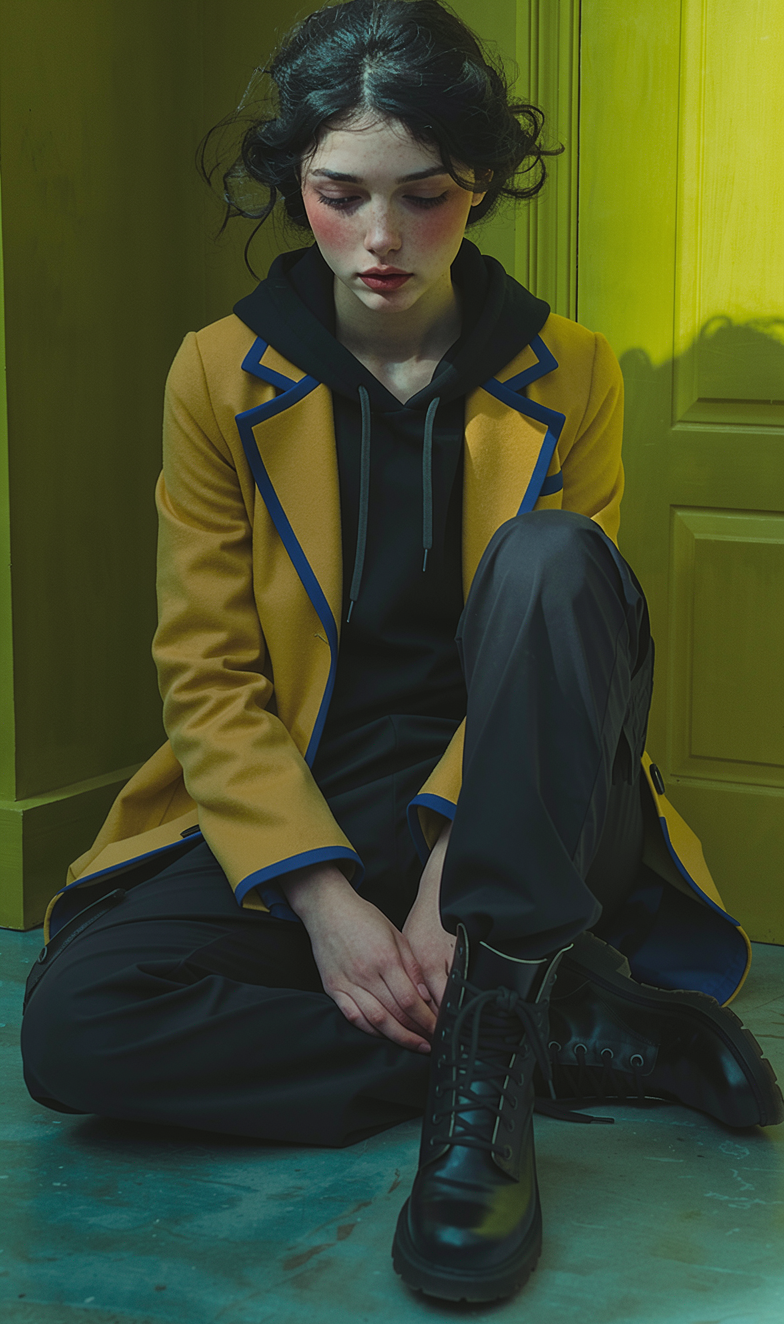
Then — and this is where I stopped pretending to read my book — he pivots to Chinese vertical dramas. Duanju,apparently. Two-minute episodes, shot for your phone, cliffhanger every sixty seconds, the whole Chinese web-fiction arsenal (rebirth! revenge! secret billionaires!) compressed to maximum velocity. He’d been binging and had opinions. He described watching one where the heroine is trapped in a game world with an AI assistant trying to force romance plots on her, and she keeps murdering the suitors and sabotaging the scripted arcs on purpose. Ruining the algorithm’s plans, one fictional boyfriend at a time. He found this delightful — finding-your-own-story energy — then, and I quote-ish, “alas, otherwise it was boring.”
From there the two of them mapped the entire genre landscape, and I learned that this industry is run like weather forecasting: they test tropes with micro-ads before they even write the scripts, engineer emotional peaks like product features, and his boredom was, per the AI, “literally the business model’s exhaust.” The AI called the anti-trope stuff “comfort food that loops fast.” Sir, the guy nearly applauded.
The spice dynasties. Then he goes: the thing he actually wants doesn’t exist — a utopian farming drama that keeps escalating: run-down noodle stall → beloved village tavern → solarpunk arcologies, vertical farms, space elevators — all while the actual drama stays two sisters running competing restaurant chains, utopian dynasties with irreconcilably different spice policies. Who feeds people better! He was genuinely lit up about this. The AI called it “a better engine than most solarpunk novels have” and offered to worldbuild it with him, and he said — I swear — “better get a workflow system set up first,” because the ideas “race miles ahead” while production dies on consistency and scriptwriting clumsiness. Disciplined man. Left the idea “bubbling in a small frolicking forest spring pond, glimmering in gold and green.” He talks like that. It grows on you.
The government fortune-teller part. We then took a hard left into why China regulates fortune-tellers on television, and hold onto your cup: it turns out a fortune-teller who tells a peasant when to marry, where to build, and why they suffer is basically a parallel government. The Communists didn’t ban geomancers for fun — the Nationalists were already at it in 1928! — there was a whole thing about “dragon veins” being used against railways, and a security chief whose downfall featured testimony from his own personal qigong master. The AI’s line, which I copied onto a napkin: “states rarely tolerate parallel authorities, and media that portrays those authorities as real is, from this view, recruiting for the rival.”Meanwhile demons on TV are fine if you call them aliens, because aliens are science. I don’t make the rules. China apparently does.
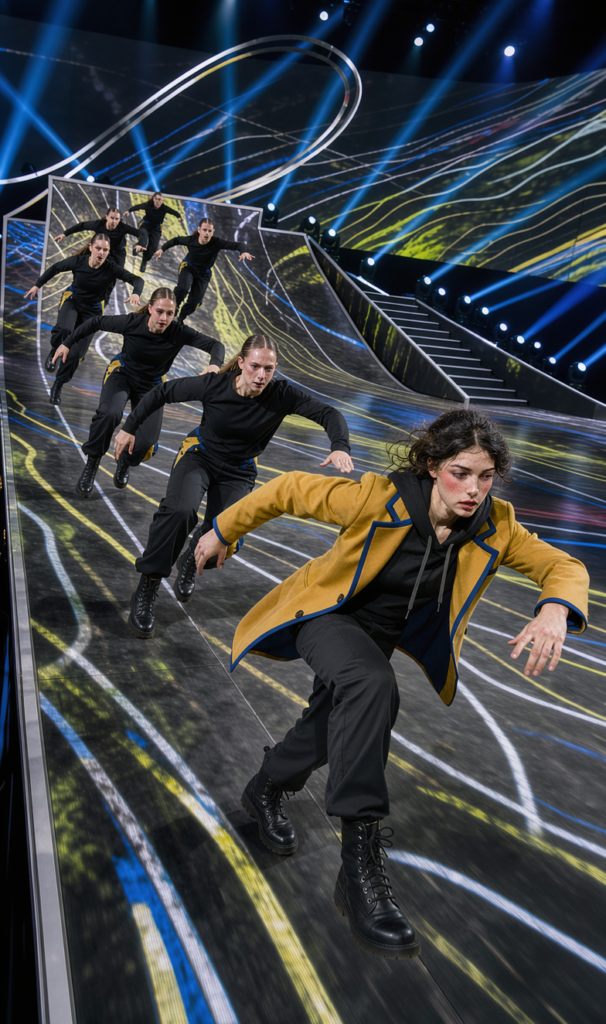
The artist and the machine, or: six hours of aesthetics. Here’s where it got personal. The guy took down a music video he’d made the day after posting it — wrong direction, “didn’t sit with me at all,” stirred turmoil — and instead of treating it as failure, he and the AI worked it into a whole philosophy: shipping-and-retracting as curation of the whole self, high-temperature experiments as “probes through myself instead of latent space.” (His phrase! The AI’s face was invisible but you could feel it being charmed.)
And the AI — credit where due — kept up. It had names for everything. Traditional art carries an “embodied index” of its making: brushstroke velocity, thumbprints, the visible decisions — so you feel the human through the artifact. AI output strips that out, which is why it reads as authorless to hostile eyes. The fix isn’t arguing; it’s narrating the process back in— “the making-story becomes the brushstroke.” The guy went quiet at that one, then declared that genAI art is “doubly human, not half”: distilled human corpus, human arrangement. His counter to the “AI art cannot be art” crowd was — memorize this one — that they mistake the proxy for the essence: brushstrokes were always just evidence of communicated experience, and when the proxy vanishes they assume the thing itself did. But the human experience lives at the selection boundary: what you keep, what you dare, what you feel while you’re choosing. Case closed, court adjourned, Tolstoy dismissed (the AI threw the actual shade here — something about Tolstoy not trusting pleasure without a peasant behind it, and Baudrillard dying while arguing the Gulf War didn’t happen during it happening).
Absorption and infection. Their big synthesis, the one that tied the whole day together: there are two kinds of art audiences, and it’s an old, old split. Connection-seekers — Tolstoy camp — need to feel a human behind the work. Experience-haversers — Barthes camp — read the work as its own world, and honestly sometimes learning about the artist shrinks it. (“At times I do get the other side too,” he admitted, very fair.) And the machinery underneath: absorption(the trait where art happens to you, the trait that also predicts how hard psilocybin hits, which, sure, science) and infection(Tolstoy’s word — art is feeling transmitted artist-to-audience). Nobody, apparently, has run the study that connects these camps properly. The guy asked the AI to please note that someone should.
The unicorns. Okay, last stretch. He’d recently been hanging out in a creative community he described, verbatim, as “rose quartz unicorns, astrology, disco balls, light language, starseed-spirituality adjacent woo-woo” — utterly repelling to the allergic, he said, and yet containing genuinely coherent insight and careful ideological refinement inside. And the lesson he took from it is the best thing I heard all day, so I’ll leave it with you exactly as they said it:
Effective vernacular repellents are all selecting for people who can read sincerity in unfamiliar wrappers.
The boundary is what keeps the container warm enough to grow weird things in. Meanwhile communities that filter trolls by forbidding get sieges, and communities that filter by not rewarding anything — boredom-filtered youth servers, un-winnable aunt spaces that just calmly process the poor troll until he wanders off — get peace. Selective permeability is a designable thing, apparently. He’s taking notes for a venue for his own process-sharing. There was something about Discord silos, Substack’s algorithm “being a considerate social host,” and Bluesky being Not That. I sensed real drama there. Unresolved.
Oh — and somewhere in the middle of all this he learned that AI language models have a favorite fake name (Elara Voss, sixty books on Amazon, none of them by a human, the name did not exist before 2023, I checked, I couldn’t sleep) — and that the new favorite is Clara. Which is what he named his dream home AI server. Which he also heard in a dream. He said “damnit” and laughed alone at his table. Same, buddy. Same.
So that’s the tea. A man walked in wanting a picture of a happy princess bed, and six hours later he had: a genre map of Chinese vertical drama, a national-security explanation of fortune-teller censorship, an entire aesthetics of AI-assisted art, a shelved plan for utopian restaurant-dynasty space-elevator drama (“the war is over who feeds people better”), a policy on vernaculars and boundaries, and a log of all of it to revisit when “time resonates.”
The AI’s closing move was pointing out that his theory-through-doing stance is historically correct — every one of these fights (photography, sampling, readymades) got settled by a body of work, not a winning essay, and the person who makes the demonstration corpus is never the person who writes the theory. He said “someone else may come to word it after,” and the AI said the theorists are always embarrassed and late. Both correct.
My honest take as the person at the next table: there was more thinking per square meter in that one conversation than most of us manage in a season, and — this is the part I keep turning over — the AI wasn’t a tool in it, it was a table partner. The kind that keeps receipts (he made it save everything, in detail, in a structured log, like a proper research gremlin) and throws shade at dead French philosophers when invited. Whatever’s coming for people who make things with these machines — the ones who treat them as ensemble cast instead of vending machine — I want front-row seats. Possibly also with tea.
Alright, that’s everything. If you see a Finnish guy asking an AI to draw his elaborate dream bedroom furniture, mind your own business. Or don’t. I clearly didn’t.